
7 Signs Your Pavers or Pool Deck Need Professional Cleaning
· By Will Cortes
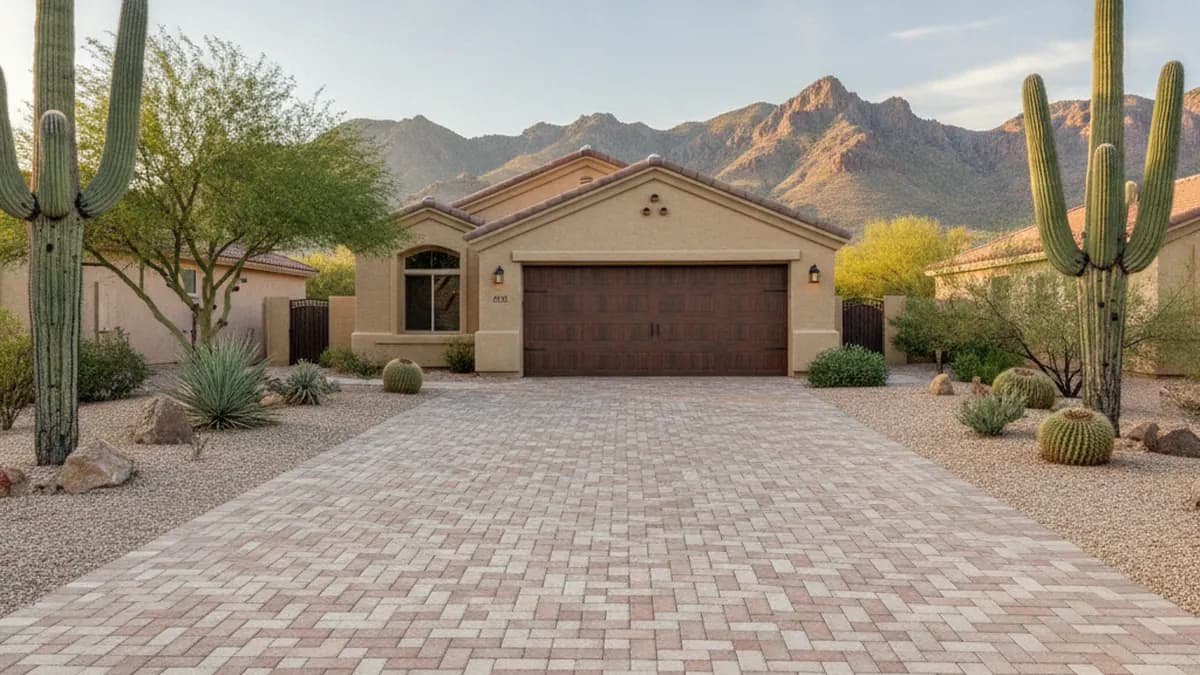
Pavers and pool decks are some of the most expensive hardscape features on an Arizona property, and they are also some of the hardest working. They handle bare feet, pool chemicals, sprinkler overspray, barbecue grease, monsoon runoff and months of direct sun. Regular sweeping helps, but eventually a deeper cleaning is needed.
The trick is recognizing when that time has come, before small problems turn into shifting pavers, permanent stains or a slippery surface around the pool. These seven signs are the ones we see most often in East Valley backyards.
1. A white haze or chalky film
A white powdery bloom across the surface of pavers is usually efflorescence, salts carried up from inside the pavers or the base and left behind as water evaporates. It is common on newer installations and after heavy irrigation or monsoon rain. White rings in arcs near sprinklers are a different problem: hard water mineral deposits.
Both make pavers look dull and old. Neither is removed well by water alone, and efflorescence in particular can come back stronger if it is just blasted with pressure. A cleaner made for the problem, followed by proper drying, is the usual fix.
2. Weeds, grass or ant hills in the joints
Paver joints are supposed to be packed with sand that locks the stones together. Over time, monsoon runoff, hose rinsing and foot traffic wash some of it away. Wind blows seeds and dust into the gaps, and weeds or ants move in.
When you see growth between pavers, cleaning out the joints and re-sanding them, often with polymeric sand, restores the surface and makes it harder for weeds to come back.
3. Pavers that rock, shift or sink
Loose or uneven pavers are often a sign that joint sand is gone and the stones have lost their interlock. In some cases the base underneath has settled. Either way, a tripping hazard on a pool deck or walkway is a safety issue.
Cleaning and re-sanding solves many minor cases. Pavers that have sunk noticeably may need to be lifted and the base corrected, which is a repair job beyond cleaning, but a cleaning visit is a good time to spot those areas.
4. Slippery or dark spots around the pool
Shaded areas around pools, near misting systems or under planters can develop algae or a slick biofilm, even in the desert. If a section of your deck feels slick underfoot or has turned green, gray or black, it needs attention for safety reasons, not just appearance.
The right cleaning solution kills the growth, and rinsing removes the residue. Sealing afterward can make future cleaning easier, but the surface should not become slick, so product choice matters around pools.
5. Grease, food and drink stains
Outdoor kitchens and barbecues are a big part of life in Arizona. Grease from the grill, spilled drinks, sunscreen, and pool toys all leave marks on pavers and travertine. Sun exposure bakes these stains in, and they attract dust that makes them darker over time.
Degreasers and targeted spot treatments, followed by a full wash, usually bring the surface back to a uniform look.
6. Faded or uneven color
Intense UV exposure gradually fades pavers, especially darker colors. Sometimes what looks like fading is actually a layer of dust and mineral film. A professional cleaning often reveals more of the original color than homeowners expect.
If color is still washed out after cleaning, a color-enhancing sealer can restore depth and help protect against further fading. Sealer usually needs to be renewed every few years depending on product and sun exposure.
7. Monsoon mud, an upcoming event, or an HOA notice
After monsoon season, red mud lines and debris often cover patios and settle into joints. That is one of the most popular times to schedule paver cleaning in Arizona. An upcoming party, family visit or home sale is another good reason, since clean hardscape makes a strong impression.
Many HOAs in San Tan Valley, Queen Creek and Gilbert also include visible staining in their rules. If you get a notice, acting quickly is simpler than arguing about it later.
When you do book, most professional paver and pool deck cleanings follow a similar sequence. The area is cleared and swept, then stains such as grease, rust or hard water rings are pre-treated with products suited to the material. Next comes the main wash at a pressure appropriate for pavers or natural stone, usually with a surface cleaner for an even finish, and a careful rinse that keeps runoff out of the pool where possible.
If the joints have lost sand, they are refilled once the surface is dry, and polymeric sand is lightly misted so it sets. Sealing, when chosen, is applied last and needs time to cure before heavy use. Ask in advance how long to stay off the surface and when furniture can go back.
Splash N StyLin offers paver and pool deck cleaning across the East Valley. Call or text (520) 371-8081 with a few photos for a free estimate.
Frequently asked questions
- How often should pavers be professionally cleaned?
- Most Arizona homeowners benefit from a professional paver cleaning about once a year, with re-sanding and sealing every two to three years depending on traffic and sun exposure.
- Can pressure washing damage pavers?
- It can if the pressure is too high or the nozzle is held too close, which can blow out joint sand or scar the surface. Proper technique and re-sanding afterward prevent problems.
- Is it safe to clean a travertine pool deck?
- Yes, with the right method. Travertine is softer and more porous than concrete, so it should be cleaned at moderate pressure with products that are safe for natural stone.
- Why do my pavers turn white after it rains?
- That is usually efflorescence. Water moves through the pavers, carries salts to the surface and leaves them behind as it dries. It is treated with an efflorescence cleaner.
- Where can I get paver cleaning near San Tan Valley?
- Splash N StyLin cleans pavers and pool decks in San Tan Valley, Queen Creek, Gilbert, Mesa, Chandler and nearby areas. Call or text (520) 371-8081 for a free estimate.
Found this helpful? Make us a preferred source on Google.
Ready for an exact price?
Get a free, no-pressure in-home estimate. Real numbers for your home, not a phone guess.