
Exterior Cleaning Guide for San Tan Valley Homeowners: Driveways, Pavers, Bins and More
· By Will Cortes
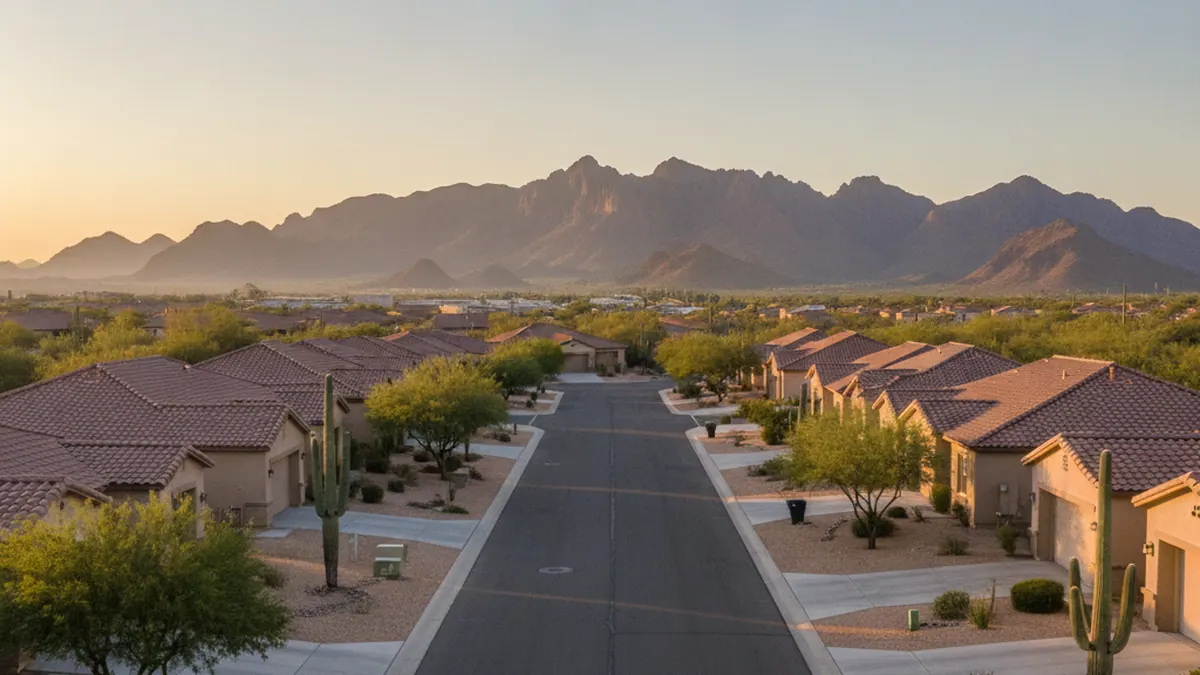
San Tan Valley grew fast. Most of the homes here were built in planned subdivisions over the last twenty years or so, which means a lot of the concrete driveways, paver patios and stucco walls in the area are now old enough to show real wear. If you live in Johnson Ranch, Pecan Creek, Copper Basin or San Tan Heights, you have probably noticed the same things your neighbors have: tire marks that never fully wash away with a hose, a gray film on the pavers, and a trash bin that smells worse every summer.
This guide covers what is actually causing that buildup in our part of Pinal County, which surfaces need the most attention, how the seasons change the best time to clean, and what to look for if you decide to hire help instead of renting a machine for the weekend.
What makes San Tan Valley different from the rest of the East Valley
San Tan Valley is an unincorporated community, so there is no city hall setting one set of rules for everyone. Day to day standards come from Pinal County and, for most homeowners, from the HOA that manages your subdivision. That matters for exterior cleaning, because the HOA is usually the group that sends the letter about a stained driveway or a dirty garage door, not the county.
The other big difference is open land. Many neighborhoods here still border farm fields, desert washes and empty lots that are waiting for the next phase of construction. When the wind picks up, that loose soil ends up on your driveway, your patio furniture and the north side of your house. Homes near the San Tan Mountain Regional Park side of the valley tend to get a little less field dust but more of the fine desert grit that settles into the grout lines between pavers.
Trash service is also handled differently. Because San Tan Valley has no municipal pickup, households contract with a private hauler, often arranged through the HOA. Your pickup day and cart rules depend on that hauler, so it is worth checking your HOA portal or your hauler account before scheduling anything that involves your bins.
The surfaces that take the most abuse here
Driveways come first. A typical San Tan Valley driveway is broom finished concrete that bakes in direct sun for most of the day. Oil drips from cars and trucks soak in and darken quickly in the heat, and the light color of the concrete makes every tire mark obvious. Driveways on corner lots or steep approaches also collect red and brown soil runoff after storms.
Paver patios and walkways are the second big one. Many builders in Johnson Ranch and the newer sections of Copper Basin used concrete pavers for back patios and entry paths. Pavers look great when clean, but the sand joints hold dirt, weeds sprout in the gaps after rain, and the surface can get a white chalky haze from hard water sprinklers.
Then there are the things people forget: the front entry slab, the side yard where the bins live, block walls with sprinkler stains, and the garage floor. None of these is a big project alone, but together they shape the first impression of the home.
Dust storms, monsoon rain and hard water
Arizona monsoon season officially runs from mid June through the end of September, and San Tan Valley gets the full package: dust storms rolling in from the south and west, short heavy downpours, and then several days of intense sun. A haboob can coat everything outside in a fine layer of silt in a matter of minutes. When a storm follows, that silt turns into mud that dries in streaks on concrete and walls.
Hard water is the quieter problem. Water across the Phoenix area carries a lot of dissolved minerals, and when sprinklers or drip lines hit the edge of a driveway, pavers or the base of a stucco wall, those minerals stay behind as white or orange rings. Pressure alone does not always remove them. They often need the right cleaner and some dwell time before rinsing.
Heat changes the job too. Cleaning products dry fast on hot concrete, which can leave spotting. That is one reason many people in the valley schedule exterior cleaning early in the morning or after sunset during summer.
When to clean during the year
For most San Tan Valley homes, two good windows stand out. The first is early October, right after monsoon season ends, when you can wash away the summer of dust and storm stains before the holidays and before guests start visiting. The second is late winter or early spring, around February and March, before temperatures climb back over 100 degrees.
Trash bins are the exception. Bins need the most attention from May through September, when heat speeds up bacteria and odor. A monthly or every other month bin cleaning during summer keeps flies and smells under control far better than a single deep clean once a year.
If you have a specific deadline, like an HOA inspection, a home sale or a party, plan the cleaning a few days ahead so any sealing or touch ups have time to cure.
Rinse water, runoff and being a good neighbor
Rinse water from your driveway usually flows into the street and then to storm drains or retention basins, which are not treated like sewer water. Federal and state stormwater rules discourage sending soaps, oil and chemicals into those systems. A careful cleaner uses products suited for the job, avoids flooding the gutter with heavy degreaser, and blocks or recovers runoff when cleaning something greasy.
In practical terms, sweep loose dirt first, treat oil stains directly instead of soaking the whole driveway in chemicals, and rinse toward landscaping when the product is safe for plants. Your HOA may also have rules about when you can run equipment, so check the community guidelines if you plan to work very early or late.
DIY or hire it out
Rental pressure washers are easy to find in the area, and for a small patio a homeowner can get decent results. The trouble starts with larger driveways and pavers. Too much pressure can etch concrete, leave visible wand marks, and blow the joint sand out from between pavers. Surface cleaners, hot water units and the right pretreatment make a big difference, and most homeowners do not own them.
As a rough guide, driveway cleaning in the East Valley typically runs from about $100 to $250 depending on size and stains, while paver cleaning with re sanding and sealing usually costs more. Bin cleaning is often a small per visit fee or a monthly plan. Every property is different, so a free estimate is the only way to know your real number.
Local help that works around the heat
Splash N StyLin is based right here in San Tan Valley, run by owner Will Cortes, and offers pressure washing, driveway and paver cleaning, trash bin cleaning and mobile car washing for homes across the area. Because the business is open 24 hours, jobs can be scheduled early in the morning or in the evening, when surfaces are cooler and cleaners work the way they should.
If your driveway, patio or bins need attention, call or text (520) 371-8081 for a free estimate. You can also look at the pressure washing page for San Tan Valley to see how the service works.
Frequently asked questions
- Does San Tan Valley have city trash pickup?
- No. San Tan Valley is unincorporated, so there is no municipal trash service. Homes use private haulers, often arranged through the HOA, and pickup days depend on the hauler serving your subdivision.
- How often should I pressure wash my driveway in San Tan Valley?
- Most homes do well with a cleaning once or twice a year, ideally in October after monsoon season and again in late winter. Driveways with heavy oil stains or storm runoff may need spot cleaning in between.
- Can my HOA require me to clean my driveway?
- Many San Tan Valley HOAs include exterior appearance standards in their rules, which can cover stained driveways, dirty walls and visible trash bins. Check your community guidelines or your HOA portal for the exact wording.
- What removes white hard water stains from pavers?
- Hard water rings usually need a mineral safe cleaner and some dwell time before rinsing, because pressure alone often leaves them behind. Moving sprinkler heads away from the hardscape helps prevent them from coming back.
Serving
Found this helpful? Make us a preferred source on Google.
Ready for an exact price?
Get a free, no-pressure in-home estimate. Real numbers for your home, not a phone guess.